
Do I need fertility treatment? When to seek an evaluation
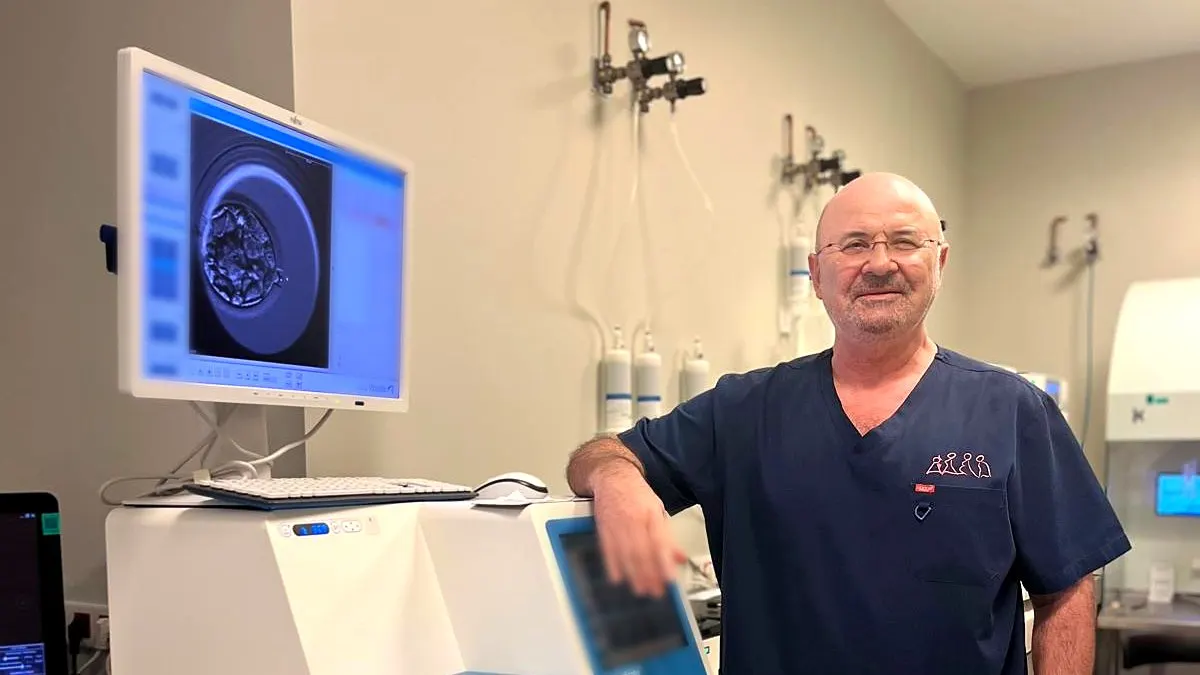
Do I need treatment? The short answer
Not conceiving immediately does not automatically mean that you need IVF. Without a known risk factor, fertility evaluation may begin after 12 months of regular unprotected intercourse when the woman is under 35, after 6 months from age 35, and more promptly after 40.
You do not need to wait for the full time period when a relevant risk is already known. Irregular or absent cycles, suspected tubal or uterine disease, endometriosis, a known male-factor concern, sexual dysfunction, previous gonadotoxic treatment or recurrent pregnancy loss are examples of situations that may justify earlier advice. The ASRM fertility evaluation guidance describes these time points and exceptions.
The first step is an evaluation, not a commitment to a particular treatment.
Situations that merit earlier advice
Ask for an earlier assessment if any of the following applies to you or your partner:
- cycles are absent, very irregular or markedly short;
- endometriosis or significant pelvic pain is known or suspected;
- there has been a pelvic infection, tubal surgery or ectopic pregnancy;
- chemotherapy, radiotherapy or another treatment may have affected fertility;
- a semen analysis is already abnormal, or there is a sexual or ejaculation difficulty;
- there have been recurrent pregnancy losses;
- a known genetic condition may affect reproductive planning;
- donor gametes or another specific fertility pathway may be needed.
These points help decide when to evaluate. They do not by themselves prove that IVF is necessary.
What happens at the first appointment?
The team usually begins with both partners’ reproductive and medical histories. That may include cycle pattern, duration of attempts, previous pregnancies, operations, medications, family history, sexual function and known exposures.
The first tests are selected to answer the most useful questions. Depending on the history, this may include a semen analysis, review of ovulation and cycles, ultrasound of the uterus and ovaries, or an assessment of the tubes. Not every person needs every test, and ovarian reserve markers such as AMH are not stand-alone fertility tests.
The AUA/ASRM male infertility guideline supports starting the male evaluation at the same time when a male partner contributes to the pregnancy.
An evaluation does not always lead to treatment
After the initial assessment, reasonable options may include continuing to try for a defined period, treating an identified condition, ovulation treatment, intrauterine insemination or IVF. The choice depends on age, duration, findings from both partners, previous treatment, time-sensitive considerations and preferences.
There is no single protocol that fits every couple. A result can also be reassuring: sometimes the next step is monitoring and a clear point at which to review the plan again.
If you are outside Turkey
Some parts of the history and initial testing can be organised locally before travel. Ask the clinic which reports are useful, how recent they need to be and which secure channel should be used for medical documents. Avoid sending identity documents or full medical records through open social-media messages.
Dr. Aksoy’s approach
I separate the question “Should we evaluate this?” from the question “Which treatment should we use?” The first is often answered by time, age and risk factors. The second needs the actual findings from both partners.
That separation matters. An assessment should reduce uncertainty, not turn every delay into an automatic IVF recommendation.
Frequently asked questions
Does needing an evaluation mean I need IVF?
No. An evaluation may lead to continued trying with a plan, treatment of an identified factor, ovulation treatment, insemination or IVF, depending on the findings and preferences.
When should I seek fertility advice?
Without a known risk factor, seek an evaluation after 12 months under age 35, after 6 months from age 35, or sooner after 40. Seek advice earlier if a relevant risk factor is already known.
Which situations merit earlier advice?
Irregular or absent cycles, suspected endometriosis or tubal disease, previous pelvic infection or ectopic pregnancy, known sperm concerns, sexual or ejaculation difficulties, gonadotoxic treatment and recurrent pregnancy loss are examples.
What happens at the first fertility appointment?
The team reviews both partners’ reproductive and medical history and chooses targeted tests. A semen analysis and cycle or ovulation review are common starting points, but the plan is individual.
Can I start an evaluation while living abroad?
Some parts of the history and initial testing may be organised locally or reviewed remotely. Ask the clinic which records are needed and use a secure channel for medical documents.
Important information
This page is for general education and does not replace an individual fertility assessment. A qualified clinician should interpret symptoms, test results and timing together before recommending a treatment plan.
Sources
- ASRM: Fertility evaluation of infertile women
- AUA/ASRM: Diagnosis and treatment of infertility in men, Part I
- World Health Organization: Infertility
Add as a Preferred Source on Google
You can add draksoyivf.com as one of your preferred health information sources on Google.