
Embryo transfer in IVF: what to expect
Embryo transfer in IVF: the quick answer
Embryo transfer is often the part of IVF people picture most clearly. In practical terms, it is a short procedure in which an embryo is placed inside the uterus through a thin catheter. It may happen in the same cycle as fertilisation or in a later frozen cycle. The timing depends on the embryo plan, the uterine lining, hormone levels, safety and your clinic’s protocol—not on a single rule that fits everyone.
The procedure itself is usually brief. Most of the useful preparation happens before it: confirming the plan, checking identity and making sure you know what to do afterwards. A speculum, a soft catheter and abdominal ultrasound guidance may be used. You may notice pressure or cramping, but experiences vary. The NICE guidance on IVF procedures and the ASRM embryo-transfer guideline explain the reasoning behind the technique and preparation.
At a glance
| Stage | What usually happens | What you can plan for |
|---|---|---|
| Before | The team confirms the transfer plan, medicines, consent and any bladder instructions. | Bring your written instructions and ask when to arrive, what to take and when the pregnancy test is planned. |
| During | Your identity and the embryo plan are checked. A catheter is guided through the cervix, usually with ultrasound. | Tell the team if you are anxious, have had a painful examination or need the steps explained slowly. |
| After | The catheter is removed and you receive medicines and follow-up instructions. | Take medicines exactly as prescribed, keep the clinic’s contact number nearby and follow the scheduled test date. |
The appointment is more than the few minutes when the catheter is in place. It also includes preparation, questions, checks and documentation. Ask how long you should expect to be at the clinic so the rest of your day is not built around the wrong part of the visit.
Fresh or frozen transfer: what is the difference?
A fresh transfer takes place in the same treatment cycle, after fertilisation and the laboratory culture period. A frozen embryo transfer (FET) uses an embryo that was cryopreserved during an earlier cycle and is thawed for transfer. The uterine lining may be prepared in a natural cycle or with medicines, depending on your situation and the clinic’s plan.
Fresh and frozen transfer are two ways of arranging the same step, not a simple better-versus-worse ranking. The team may consider the lining, hormone levels, ovarian response, embryo stage and quality, previous treatment, laboratory findings and whether a safer later transfer is appropriate. If preimplantation genetic testing is part of the plan, biopsy and cryopreservation generally happen before the transfer; PGT is a separate decision, not an inherent benefit of a frozen cycle. The ASRM laboratory guidance describes the laboratory and identification checks involved.
Embryos may be transferred at different developmental stages. Evidence comparing cleavage-stage and blastocyst-stage transfer does not apply equally to every patient, and a later-stage transfer can also mean that fewer embryos reach the stage of transfer or freezing. The Cochrane review of day-3 versus day-5/6 transfer explains why the choice needs an individual discussion.
Dr. Aksoy’s approach
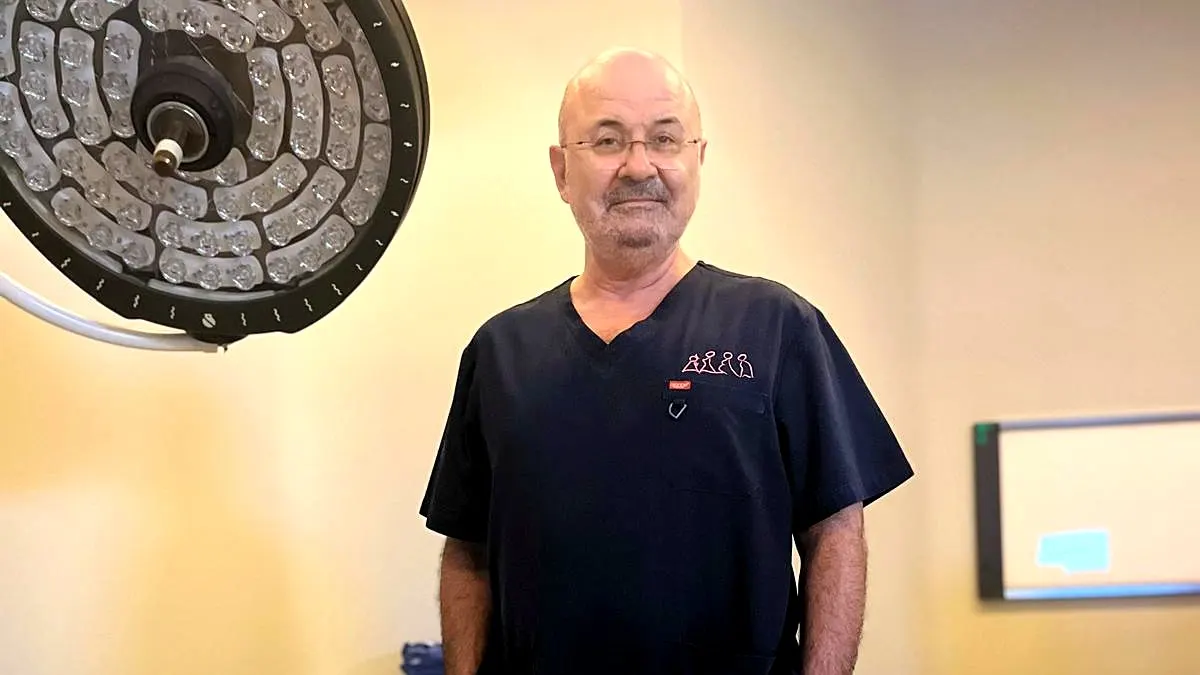
Before fixing the transfer date, I want three questions to be clear: Is the uterine lining ready? Is the embryo plan clear? Is there a reason to wait that changes safety or follow-up? Fresh and frozen are not competing labels; they are two ways of arranging the same step. The reason for the plan matters more than the label.
Before transfer day
Follow the written plan
Your clinic should tell you which medicines to take, when to arrive and whether you need any preparation. This is not the moment to improvise a medication schedule. If you miss a dose, are unsure about a timing instruction or develop new symptoms, call the team rather than guessing.
Ask about bladder instructions
Some clinics ask you to arrive with a comfortably or partially full bladder because this can help abdominal ultrasound guidance. Others use a different protocol. Do not assume that a completely full bladder is required; follow the written instruction for your appointment.
Make the day manageable
Wear comfortable clothing and allow time for consent, identity checks and questions. Routine anaesthesia is not used to improve transfer outcomes, but your team can discuss pain relief or additional support if you have a difficult examination history or significant anxiety. If any sedation is planned, ask in advance whether you need an escort and whether you may drive.
What happens during the transfer?
- The team confirms your identity, consent, the number and developmental stage of the embryo(s), and the laboratory paperwork.
- You are positioned for the examination. A speculum allows the clinician to see the cervix.
- A thin, usually soft catheter is passed through the cervix into the uterine cavity. Ultrasound guidance may be used to guide placement.
- The embryo is released, the catheter is checked according to laboratory protocol and the team explains what happens next.
There is no needle passing through the abdomen during a standard embryo transfer. The procedure is commonly short, but a difficult cervix, a full bladder or the need to pause can change the experience. You can ask the team to explain each step before it happens.
Is embryo transfer painful?
Some people feel little more than pressure; others notice cramping, discomfort from the speculum or anxiety during the examination. “Painless” is not a promise that can be made for everyone. Tell the team if you have had a painful cervical examination, surgery, vaginismus or a difficult previous transfer. Planning communication and comfort in advance can make the appointment easier.
After transfer: do I need bed rest?
No prolonged bed rest is needed to keep an embryo in the uterus. NICE advises that bed rest for more than 20 minutes after transfer does not improve IVF outcomes, and the ASRM guideline supports getting up after the procedure. You can usually return to gentle daily activities after the brief recovery period your clinic recommends.
This does not mean that you should ignore your team’s instructions. Continue progesterone or other prescribed medicines, avoid changing doses on your own and ask what level of exercise is suitable for your cycle. A quiet day may help you feel more comfortable, but strict bed rest is not a test of how much you want the treatment to work.
The waiting period and the pregnancy test
The waiting period can give ordinary sensations a surprising amount of emotional weight. Mild cramps, light spotting, breast tenderness, tiredness or no symptoms at all cannot confirm whether implantation has occurred. Medicines, the cycle itself and stress can produce similar sensations.
The clinic will give you a date for a blood or urine pregnancy test. The interval varies with the embryo stage and local protocol; some NHS pathways schedule testing around two weeks after transfer. Use the date your own team gives you. Spotting or an early home-test result is not a reason to stop progesterone or another prescribed treatment without speaking to the team.
When should I contact the clinic urgently?
Contact your fertility team promptly for heavy bleeding, severe or increasing pain, fever, fainting or marked dizziness, repeated vomiting, rapidly increasing abdominal swelling, difficulty breathing or chest pain. Difficulty passing urine or a clear reduction in the amount of urine also needs attention. These symptoms need clinical assessment rather than online reassurance.
Ovarian hyperstimulation syndrome is linked to the ovarian stimulation part of IVF, but symptoms can continue or worsen around the time of transfer, especially if pregnancy occurs. The RCOG patient information on OHSS explains the warning signs. If you cannot reach your clinic and symptoms are severe, seek urgent local medical care.
For patients travelling from abroad
Travel timing depends on whether the plan is fresh or frozen, how the lining is prepared, the laboratory schedule, the test date and your follow-up arrangements. Ask the clinic to put the expected appointments, medicines, contact number and a contingency plan in writing before booking non-refundable travel. If you need monitoring after returning home, clarify who will review the result and how urgent concerns will be handled.
A clear plan makes the waiting period easier
Before leaving the consultation, ask the team to confirm five things:
- Is this a fresh or frozen transfer, and why is that plan being considered?
- Which embryo stage and number are planned, and what could change that plan?
- Should my bladder be full, partially full or empty?
- Which medicines should I continue, and what should I do if I miss a dose?
- What is the exact pregnancy-test date and which symptoms should prompt a call?
These questions do not predict the result. They simply make the next steps easier to follow.
Frequently asked questions
Is embryo transfer painful?
People feel it differently. The procedure is usually brief and routine anaesthesia is not used to improve IVF outcomes, but a speculum, pressure or cramping can be uncomfortable. Tell your team about pain or anxiety so the plan can be discussed with you.
Should my bladder be full for embryo transfer?
Some clinics ask for a comfortably or partially full bladder because it can help with abdominal ultrasound guidance. Instructions vary, so follow the written plan from your own clinic rather than trying to adjust it yourself.
Do I need bed rest after embryo transfer?
Prolonged bed rest has not been shown to improve IVF outcomes. After the brief recovery period advised by your clinic, gentle normal activity is usually reasonable unless your team gives different instructions.
When should I take a pregnancy test after embryo transfer?
Use the date supplied by your clinic for the blood or urine test. The timing depends on the type of transfer and local protocol. Symptoms or early home tests cannot confirm the outcome, and you should not stop prescribed medicines without speaking to the team.
What is the difference between a fresh and a frozen embryo transfer?
A fresh transfer takes place in the same treatment cycle a few days after fertilisation. A frozen embryo transfer uses an embryo stored from an earlier cycle. The choice depends on the lining, hormone levels, embryo plan, safety and your clinic’s protocol; neither option is automatically best for everyone.
Continue reading
Important information
This page is for general education and cannot replace an assessment or the written instructions from your fertility team. Timing, medicines, transfer decisions, testing and follow-up vary between patients and clinics. If you are worried about a symptom, contact the team caring for you.
Sources
- NICE: Procedures used during in vitro fertilisation (IVF)
- ASRM: Performing the embryo transfer: a guideline
- ASRM: Comprehensive laboratory guidance
- ESHRE: Number of embryos to transfer during IVF/ICSI
- Cochrane: Day-3 versus day-5/6 embryo transfer
- NHS: IVF
- RCOG: Ovarian hyperstimulation syndrome
Add as a Preferred Source on Google
You can add draksoyivf.com as one of your preferred health information sources on Google.