
IVF Abroad — What International Patients Should Plan For
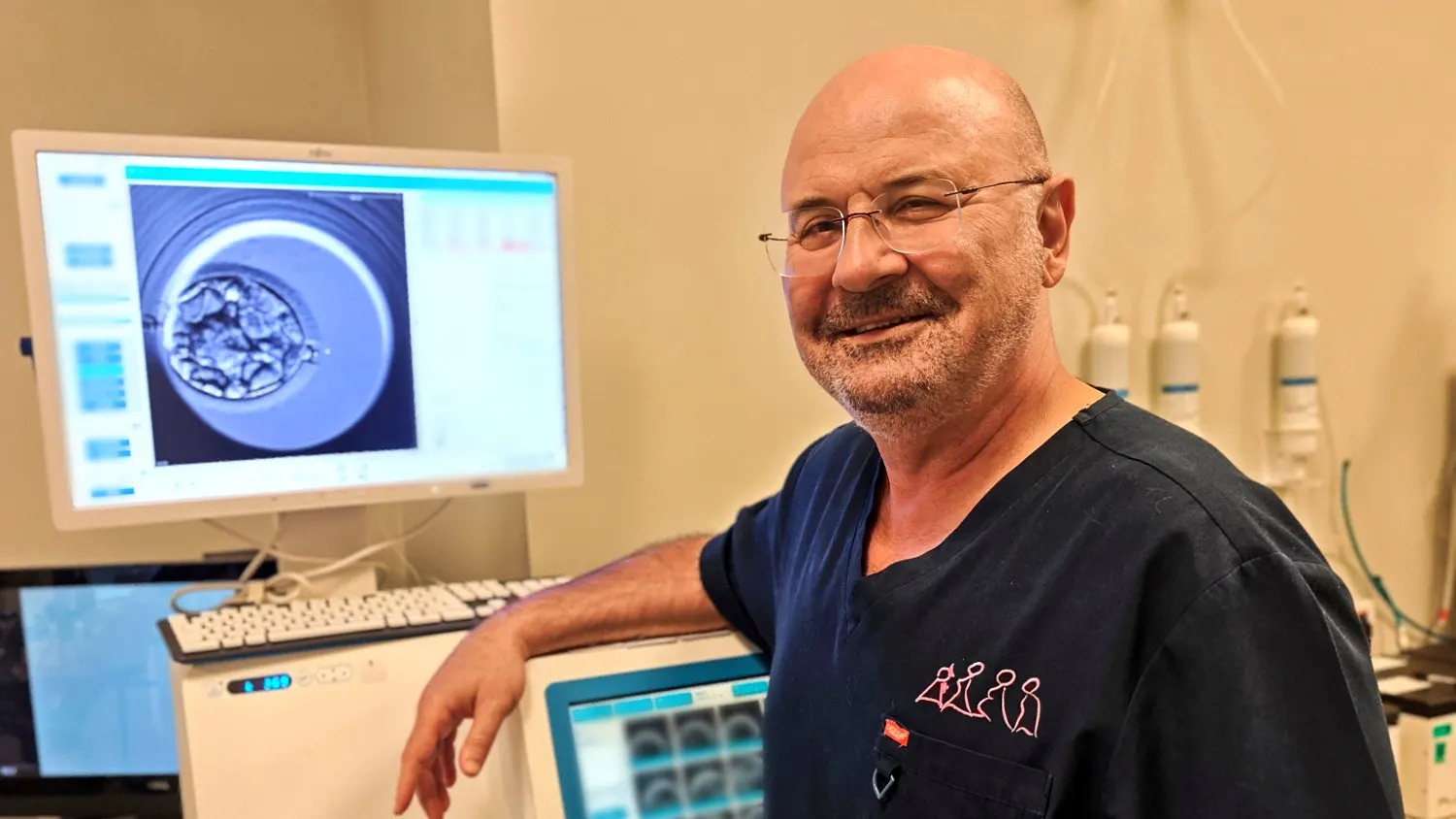
Key evidence: HFEA: Fertility Treatment Abroad ESHRE: Good Practice Guide for Cross-Border Reproductive Care Turkish Ministry of Health: Assisted Reproduction Regulation
Couples considering IVF abroad are usually weighing several practical questions at once: waiting times at home, the full cost of treatment, language support, laboratory standards, and whether the destination’s legal framework fits their situation. This guide offers a planning framework, not a commercial comparison or country ranking.
For treatment in Istanbul, the process should begin with a careful remote review of your existing medical records. This helps establish whether IVF or ICSI using your own eggs and sperm is medically appropriate and legally permissible under Turkish regulations before you book flights or accommodation.
If you have already determined that Turkey is your destination of choice, you can explore our detailed guide on IVF in Turkey for international patients. If you have experienced an unsuccessful cycle elsewhere and need clinical clarity, consult our guide on second opinions after IVF. If you are still exploring international options generally, begin with the planning framework below.
Why Patients Consider Fertility Care Abroad
Patients look beyond their domestic borders for several distinct clinical and logistical reasons:
- Lengthy waiting times in public healthcare systems or insurance-regulated programmes.
- High domestic treatment costs, especially once stimulation medications, embryology techniques, and freezing are factored in.
- Preference for continuous, personalised specialist oversight rather than fragmented care across multiple providers.
- Multilingual coordination in English, French, or Arabic during a focused treatment window abroad.
IVF abroad is not one standardised pathway. Countries differ widely in their rules on donor gametes, embryo-transfer limits, storage, and follow-up after you return home. These differences matter more than comparing headline cycle prices.
How to Evaluate an International Clinic and Destination
Before committing to any international clinic, request clear written answers to the following six questions:
- Licensing and regulatory oversight — which national health authority inspects, licenses, and monitors the clinic and its embryology laboratory?
- Medical evaluation — does a named fertility specialist personally assess your medical records and test results before you travel?
- Pre-travel testing — which preliminary blood tests, ultrasounds, and semen analyses can be completed at home with your local doctor?
- Communication and informed consent — how are consent documents, daily medication instructions, and scan results explained in your language?
- Complication management and aftercare — what specific protocols exist for handling delayed symptoms after egg retrieval or bleeding after embryo transfer once you return home?
- Transparent outcome definitions — how does the clinic report its success figures (per embryo transfer versus per initiated cycle; biochemical pregnancy versus live birth)?
For UK patients, the HFEA overseas treatment guidance provides a useful checklist of questions for clinics overseas. The ESHRE good practice guide for cross-border reproductive care also outlines responsibilities for clinics and professionals caring for patients who travel for treatment.
Legal Framework — Key Rules in Turkey
Legal eligibility is an essential first filter in cross-border reproductive medicine. In Turkey, Law No. 2238 (Additional Article 1, added in 2018) allows assisted reproduction only between married spouses and prohibits donation and surrogacy.
Under Turkish law and the Turkish Ministry of Health assisted reproduction regulation:
- IVF and ICSI treatments are legally restricted to married heterosexual couples.
- Egg donation, sperm donation, embryo donation, and surrogacy are strictly prohibited.
- Sex selection (family balancing) is not permitted, except for severe, documented sex-linked genetic disorders.
- Embryo transfer numbers are legally restricted to minimize the medical risks associated with multiple pregnancies.
- Turkish regulations define how frozen embryos may be transferred between licensed centres within Turkey. They do not describe an equivalent routine pathway for international export. Patients should therefore expect a later embryo transfer to take place in Turkey unless the competent authorities confirm another route in writing.
If your medical plan requires donor gametes or surrogacy, Turkey is not the appropriate destination. Clear upfront information prevents unnecessary travel and misaligned expectations. Couples proceeding with their own eggs and sperm can read destination-specific guidance in our IVF in Turkey overview.
Understanding the True Cost of IVF Abroad
Comparing headline “IVF abroad” prices without a standardized checklist can lead to significant unexpected expenses. A realistic medical budget should separate:
- The core IVF or ICSI cycle: ovarian monitoring, ultrasound scans, egg retrieval, laboratory fertilisation, blastocyst culture, and embryo transfer when planned.
- Ovarian stimulation medications: where they should be purchased depends on the treatment plan, local prescribing rules, availability, and how the medication will be transported.
- Additional laboratory procedures: pre-implantation genetic testing (PGT), embryo vitrification, annual cryostorage, or surgical sperm retrieval (such as Micro-TESE) when clinically indicated.
- Logistical expenses: return flights, local accommodation, local transport, and time off work.
- Potential return travel: for a frozen embryo transfer (FET) in a subsequent cycle.
Informational price ranges for Istanbul are detailed in our guide on IVF cost in Istanbul. These figures represent realistic estimates with clinical context, not commercial package deals.
Treatment Timeline and Travel Logistics
Many aspects of preliminary cycle preparation can be coordinated remotely while you remain at home. In this clinic’s current planning pathway, egg collection with the embryos frozen usually means about 12 to 16 days in Istanbul, and a transfer in the same cycle about 17 to 20 days. This is an estimate, not a fixed duration: ovarian response, follicular growth, a fresh transfer, freeze-all treatment, or PGT can change the number and timing of visits.
Before booking non-refundable tickets, consult our treatment timeline and health visa support guide. Visa issuance remains under the jurisdiction of the Turkish consulate or embassy; our clinic provides official medical invitation documents once a reviewed clinical plan is established.
How Istanbul Fits into an International Treatment Plan
For eligible couples considering own-gamete IVF in Istanbul, the care pathway can be organised into four steps:
- Remote file evaluation and preliminary clinical consultation.
- Written estimate based on your medical records and provisional treatment plan.
- On-site treatment stay for follicle monitoring, egg retrieval, laboratory culture, and embryo transfer or vitrification.
- Post-transfer follow-up and pregnancy testing coordinated with your local physician at home.
For further clinical details, explore our guide on IVF in Turkey for international patients. To understand how clinical data should be interpreted, read how we explain success rates.
Related decision resources on this site:
- How to plan IVF abroad
- Egg freezing abroad
- IVF in Europe: what to compare
- Choosing an IVF clinic abroad: a decision checklist
Frequently Asked Questions
How do I plan IVF abroad without rushing travel?
Start with diagnostic records: your AMH level, recent pelvic ultrasound, semen analysis, and previous cycle notes. Request a written treatment plan and detailed estimate before booking flights. Confirm visa requirements and verify how post-procedure aftercare is handled once you return home.
Is IVF cheaper abroad?
Treatment abroad can appear less expensive when only the base cycle fee is compared. Whether it costs less overall depends on medication, genetic testing, cryopreservation, flights, accommodation, insurance, and possible return travel. Compare the complete budget rather than an isolated cycle fee. See our cost of IVF overview.
How long does an IVF cycle abroad take?
In this clinic’s current planning pathway, egg collection with the embryos frozen usually means about 12 to 16 days in Istanbul, and a transfer in the same cycle about 17 to 20 days. Some preparation and monitoring may be coordinated at home when clinically appropriate. PGT or a freeze-all strategy can change the timing and may require a later visit for embryo transfer. Consult the treatment timeline for details.
Can I do IVF abroad if I need donor eggs or donor sperm?
Not in Turkey. Turkish law (Law No. 2238, Additional Article 1) prohibits egg, sperm, and embryo donation, as well as surrogacy. Treatment in Turkey is limited to married couples using their own eggs and sperm.
Sources
- Human Fertilisation and Embryology Authority. Fertility treatment abroad.
- Human Fertilisation and Embryology Authority. Costs and funding.
- European Society of Human Reproduction and Embryology. Good practice guide for cross-border reproductive care.
- Turkish Ministry of Health. Regulation on Assisted Reproductive Treatment Practices and Assisted Reproductive Treatment Centres (Official Gazette No. 29135).
- Republic of Turkey. Law No. 2238 on the Removal, Storage, Grafting and Transplantation of Organs and Tissues, Additional Article 1 (added by Law No. 7151, in force 5 December 2018). Consolidated text on mevzuat.gov.tr checked on 11 October 2026.
Medical disclaimer
This page is provided for educational and planning purposes only and does not substitute for an individual medical consultation or formal legal advice. Regulatory frameworks, visa requirements, and clinical protocols are subject to change; verify all criteria for your specific circumstances before arranging travel.
Add as a Preferred Source on Google
You can add draksoyivf.com as one of your preferred health information sources on Google.