
Step-by-Step IVF Process: A Complete Timeline from Testing to Transfer
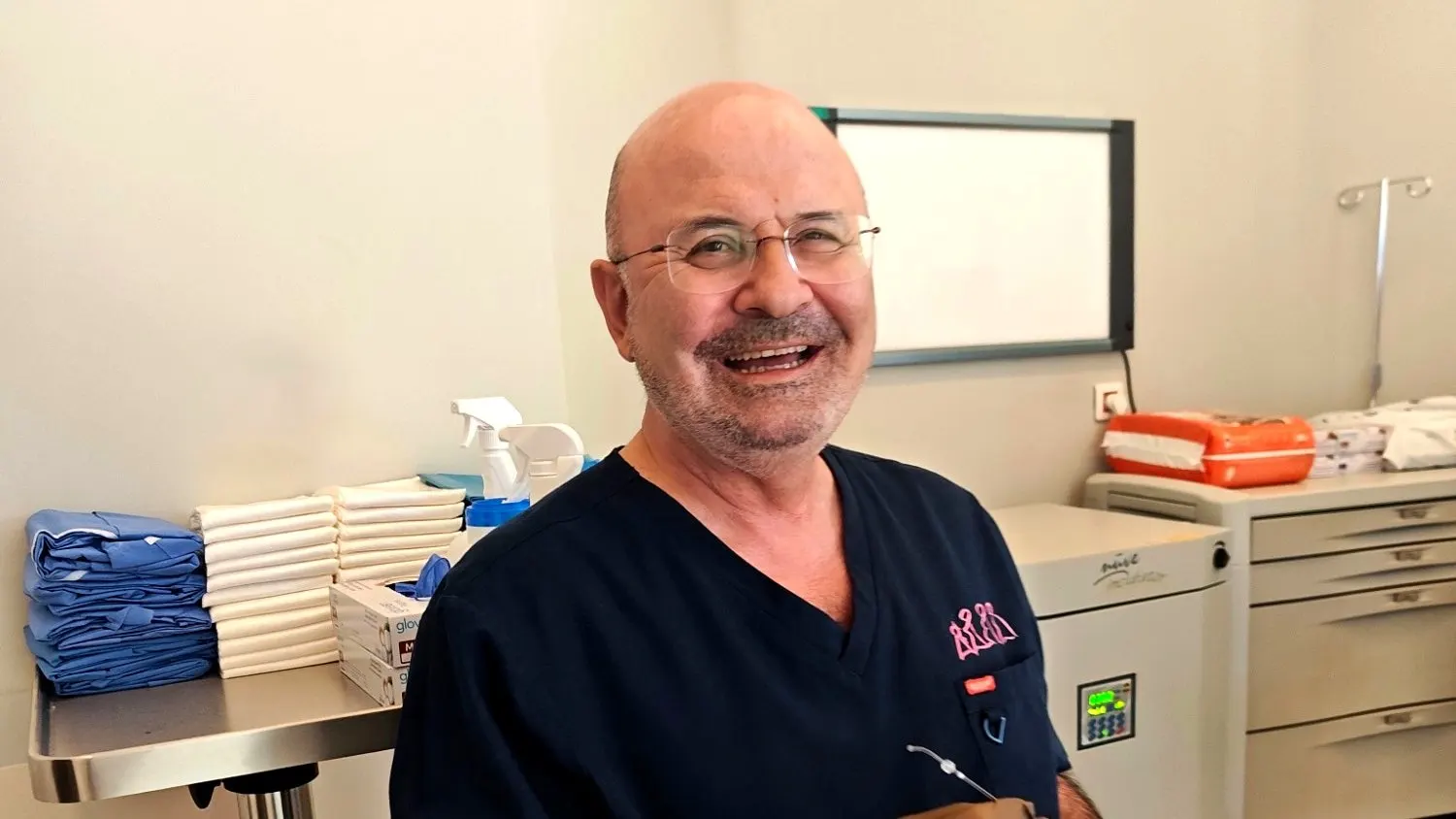
It is common to feel both hope and apprehension before starting in vitro fertilisation (IVF). Patients often ask the same practical questions: How will my body respond? Will egg retrieval hurt? What happens in the embryology laboratory?
After more than 30 years in reproductive medicine in Istanbul, I have learned that a clear explanation can make an unfamiliar process easier to navigate. Here is what each stage is for, and where the timetable may vary.
Watch the IVF explainer video on our overview page.
1. Pre-IVF Diagnostic Evaluation
Before prescribing hormonal medication, we review the medical history and carry out the tests needed to plan treatment safely.
Our Pre-IVF Testing may include ovarian-reserve assessment (AMH and antral follicle count), assessment of the uterine cavity or lining, and semen analysis. These results establish a starting point and help the team discuss the available options. No single test predicts the outcome of a cycle.
2. Controlled Ovarian Stimulation
Once the plan is agreed, stimulation begins. The aim is to recruit several follicles while monitoring how your ovaries respond.
Stimulation often lasts 8 to 12 days, although the timing is individual. You may use subcutaneous gonadotrophin injections and attend monitoring appointments for blood tests and transvaginal ultrasound. Monitoring helps the team adjust the plan and reduce risks such as ovarian hyperstimulation syndrome (OHSS), as outlined in the ESHRE ovarian-stimulation guideline.
For a closer look at medications and monitoring, read our guide on Ovarian Stimulation.
3. The Egg Retrieval Procedure
When the follicles are ready, a trigger injection is used to induce final maturation. Retrieval is commonly scheduled around 35 to 36 hours later, but the exact timing depends on the protocol and your response. The Egg Retrieval team will explain the schedule.
What does egg retrieval feel like? Experience varies. Retrieval is usually performed with sedation or anaesthesia according to the clinic and anaesthesia protocol. Many people feel little during the procedure, but cramping or discomfort afterwards is possible. Ask the team what medication, monitoring and recovery arrangements apply to you.
4. Laboratory Fertilization & Embryo Development (IVF & ICSI)
Immediately after retrieval, the eggs go to the embryology laboratory. ICSI may be considered when male-factor infertility, previous low or failed fertilisation, or another clinical indication makes it relevant. It is not required for every IVF cycle. In ICSI, an embryologist injects one selected spermatozoon into a mature oocyte; selection under a microscope does not establish genetic or functional health. Current evidence and guidance do not support routine ICSI for every non-male-factor cycle (ASRM, 2026; Cochrane review, 2023).
Embryos are cultured for several days under laboratory conditions. The culture duration and decision to transfer or freeze depend on embryo development, the treatment plan and the laboratory’s criteria. Identity checks and traceability procedures follow the clinic’s laboratory protocols.
5. Embryo Transfer & Cryopreservation
The Embryo Transfer is usually a brief procedure and is often performed without anaesthesia, but sensations vary from person to person. The ASRM embryo-transfer guideline describes the clinical principles behind the procedure.
Under ultrasound guidance, a soft catheter is passed into the uterine cavity and the transfer plan is carried out by the clinical team. You may be able to follow the procedure on a monitor, depending on the room and equipment.
Embryos that meet the laboratory’s criteria may be vitrified, with consent, for a later Embryo Freezing cycle. Freezing is not an assurance that a later transfer will result in pregnancy.
IVF Outcomes: Why One Number Is Not Enough
Live-birth outcomes cannot be reduced to one age table. They vary with age, diagnosis, ovarian reserve, embryo development, treatment type and the denominator being used—for example, a transfer, a started cycle or a cumulative treatment. The ESHRE European ART registry report provides population data across countries and notes that data completeness varies, so it is useful context rather than an individual forecast.
For one person, a meaningful discussion needs the medical history, test results and treatment plan. A general registry percentage should not be presented as a prediction for an individual cycle.
Sources & References
- ESHRE Guideline Group on Ovarian Stimulation. Ovarian stimulation for IVF/ICSI. Human Reproduction Open, 2020.
- American Society for Reproductive Medicine (ASRM). Performing the embryo transfer: a guideline. Fertility and Sterility, 2017.
- European Society of Human Reproduction and Embryology (ESHRE). ART in Europe: 2019 results generated from European registers by ESHRE. Human Reproduction, 2023.
- American Society for Reproductive Medicine (ASRM). Intracytoplasmic sperm injection for nonmale-factor indications: a committee opinion. 2026.
- Cochrane Database of Systematic Reviews. Intracytoplasmic sperm injection versus conventional techniques for oocyte insemination during IVF. Current to February 2023.
Add as a Preferred Source on Google
You can add draksoyivf.com as one of your preferred health information sources on Google.