
IVF Treatment Timeline in Istanbul
When IVF takes place across borders, the calendar becomes part of the treatment plan. The outline below shows a common fresh-transfer pattern when the first days of stimulation can be monitored from home. It is a practical guide for arranging travel, not a promise about how your own cycle will unfold.
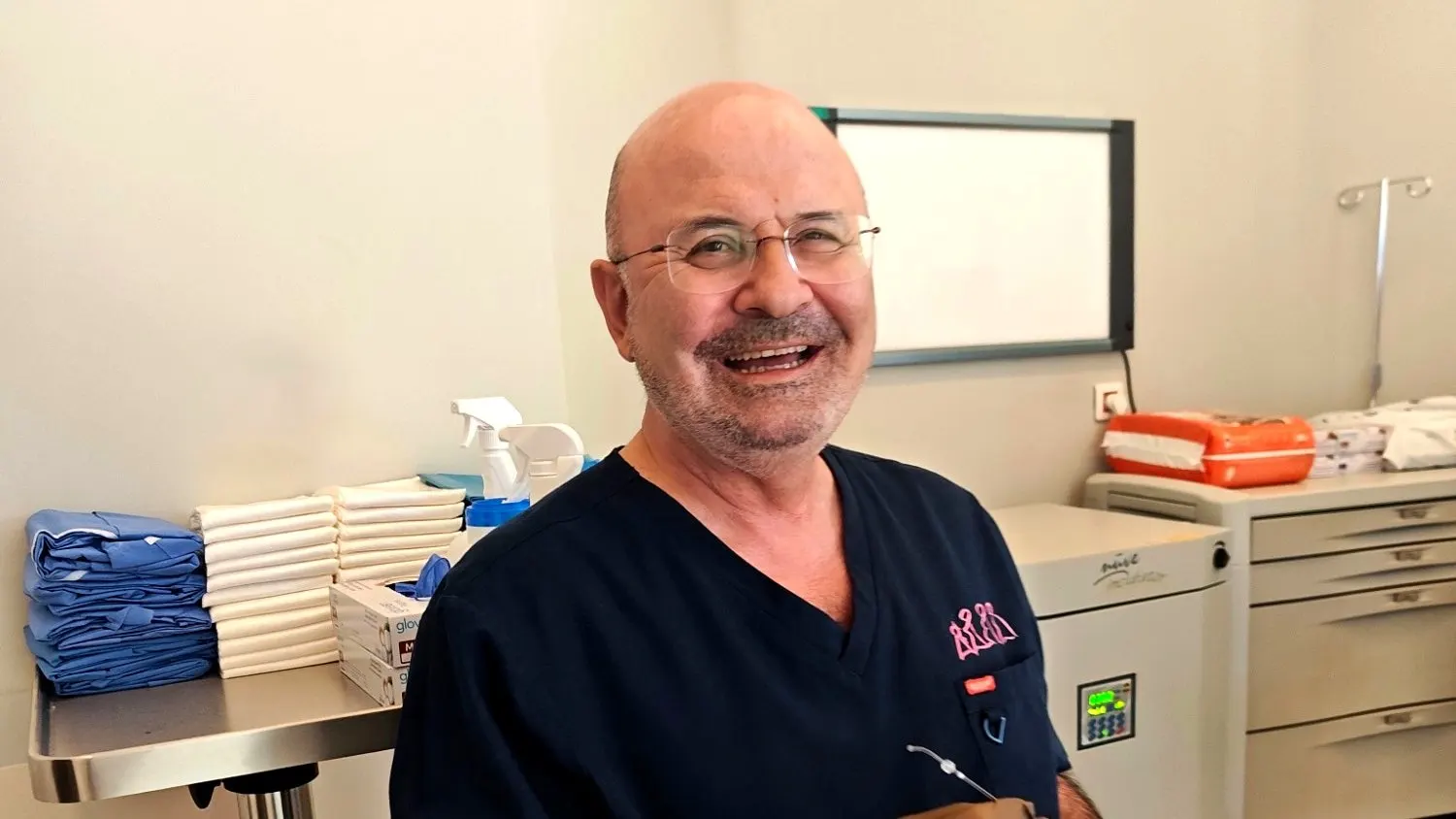
For the pattern described here, many international patients plan around 12 to 16 days in Istanbul after arrival. If stimulation starts in Istanbul and the transfer is done in the same cycle, Dr. Aksoy usually advises about 17 to 20 days. That is a planning estimate, not a universal rule. Ovarian response, trigger timing, embryo development, PGT and the decision to transfer fresh or frozen can all change the stay. The HFEA overview of IVF notes that the overall IVF process can take several weeks, depending on the protocol.
Before booking flights, compare the cost factors for IVF in Istanbul, review the health-visa information, and keep space in your plans for a change of date.
Patient guide
IVF treatment at a glance
A five-stage overview of the fresh-transfer pattern described in this guide. The detailed timeline below explains what can change from one patient to another.
-
Prepare from home
Share records, agree the plan and wait for a workable travel window.
-
Stimulate and monitor
Medication may start at home, with scans and blood tests as advised.
-
Trigger and retrieve
The trigger is timed precisely; egg retrieval usually follows about 36 hours later.
-
Grow embryos
The laboratory assesses embryo development and confirms the next decision.
-
Transfer or freeze
Fresh transfer may happen in the same visit; PGT or frozen transfer adds time.
Keep in mind: Plan around 12–16 days in Istanbul after arrival as a starting estimate. Frozen transfer and PGT usually follow a separate timetable.
Your IVF timeline, step by step
Before arrival: Remote consultation (about 2–4 weeks before travel)
Duration: Varies · Location: From home
The treating clinician reviews your medical history, hormone results such as AMH, FSH and E2, ultrasound reports and previous treatment records. Your coordinator can explain which documents are needed and how the proposed schedule may fit around your cycle. Medication instructions and any prescription are issued only after clinical assessment; local purchase and availability depend on the rules in your country.
Planning point: Wait for the treatment plan and a workable travel window before buying a non-refundable ticket.
Days 1–3: Stimulation may begin at home
Duration: Often the first few days, if agreed · Location: Your home country
Some protocols allow the first part of ovarian stimulation to take place at home. This requires clear instructions and suitable local monitoring. The length and dose of medication are individual; do not copy a timeline from another patient.
Day 4: Arrival in Istanbul
Duration: Travel day · Location: Istanbul
Your coordinator confirms the first clinic appointment and practical arrangements before you travel. If airport transfer or accommodation support is included in your plan, confirm those details in writing. After arrival, allow time to settle and rest before monitoring begins.
Days 5–10: Monitoring and stimulation
Duration: Commonly several days · Location: Clinic visits as advised
Monitoring usually combines transvaginal ultrasound with blood tests. Visits may be every day, every other day or more frequent, depending on the response to medication. The UCLH IVF FAQ describes alternate-day monitoring as common once stimulation begins, while also noting that individual schedules vary.
Typical day: A morning appointment may take around 30–45 minutes, but the time can be longer when additional assessment is needed. Plan rest between visits rather than treating the free time as a sightseeing schedule.
Around days 10–11: Trigger injection
Duration: One injection at a precise time · Location: Hotel or clinic, as instructed
There is no single follicle measurement that applies to every patient. When the clinician considers final oocyte maturation appropriate, the trigger is scheduled for a specific time. Egg retrieval is usually planned about 36 hours later. The HRA summary on follicular growth and trigger timing explains why timing is individualised; the Guy’s and St Thomas’ NHS guide also stresses that the 36-hour timing matters.
Around day 12: Egg retrieval (OPU)
Duration: Often about 20–30 minutes, with sedation or anaesthesia · Location: Operating room
Egg retrieval is performed with the type of sedation or anaesthesia agreed with the clinical team. The procedure itself is often brief, but cramping, soreness or light bleeding can occur afterward. The HFEA IVF overview and the NHS egg-collection guide describe the procedure and the need to follow local aftercare instructions.
Same day: Sperm is provided or a stored sample is prepared. The embryology team then begins fertilisation and laboratory culture according to the agreed plan.
Days 13–18: Embryo development and laboratory decisions
Duration: Usually 3–6 days of culture · Location: Laboratory, while you recover
Embryos are assessed during laboratory culture. The timing and form of updates depend on the laboratory and your plan; daily messages are not universal. If PGT is planned, biopsy and analysis add a separate stage. The HFEA information on PGT-M and PGT-SR explains why embryos are commonly frozen after biopsy and transferred later.
Around days 15–18: Embryo transfer, if planned
Duration: Often about 10 minutes · Location: Clinic
A clinician places the embryo selected for transfer through a thin catheter. Transfer is usually performed without anaesthesia, but comfort varies and some people find it uncomfortable. The HFEA IVF overview describes the usual procedure and why individual circumstances matter.
After transfer: Follow the medication and activity instructions given by your clinic. This page is not a substitute for your discharge advice.
After transfer: Return-home planning
Duration: Depends on symptoms and the treating team · Location: Istanbul to home
Do not rely on a universal 24–48-hour flight rule. Ask the treating team when travel is appropriate for you and keep the ticket changeable. A 2025 retrospective study of 2,135 embryo transfers found no significant difference in implantation, pregnancy or miscarriage outcomes associated with flying, but it was not a randomised trial and the authors called for further research: Does flying after embryo transfer impact implantation?.
Seek prompt medical advice for severe or worsening pain, marked abdominal swelling, breathlessness, faintness, heavy bleeding or fever. These symptoms should not be managed by travel advice alone; the HFEA IVF overview outlines important IVF risks, including ovarian hyperstimulation syndrome.
About 11–16 days after transfer: Pregnancy test
Duration: Blood or urine test, as instructed · Location: Usually your home country
The clinic will give you the test date. NHS guidance says the test is often scheduled around 16 days after transfer, while some protocols use a different interval depending on embryo age and local practice. Follow your clinic’s date and share the result with the treating team and your local doctor when asked.
Frequently asked questions
How long do I need to stay in Istanbul?
For the fresh-transfer pattern above, plan around 12–16 days after arrival as a starting estimate. If stimulation starts in Istanbul and the transfer is in the same cycle, plan about 17–20 days. The stay can be shorter or longer, so keep the return journey flexible until monitoring and the transfer plan are clear.
Can I start IVF medication at home?
Sometimes, if the treating clinician agrees and local monitoring is available. This is not suitable for every protocol. Ask which scans and blood tests must be completed before you travel.
When can I fly after embryo transfer?
There is no universal rule. Ask the treating team before booking a flight, especially if you have symptoms. One retrospective study found no significant outcome difference in patients who flew after transfer, but it does not remove the need for individual medical advice or prove that timing is irrelevant for every patient.
Will I know the result before leaving Istanbul?
Usually not. The pregnancy test is commonly scheduled 11–16 days after transfer, and the clinic will give you the exact date. Most patients complete it after returning home.
What if I need a frozen embryo transfer (FET)?
A frozen transfer is usually a separate, shorter visit because it does not include stimulation or egg retrieval. The preparation may follow a natural cycle or medication-based protocol, so the number of days still needs to be confirmed with the clinic.
How does PGT change the timeline?
PGT involves embryo biopsy and laboratory analysis. Embryos are often frozen after biopsy and transferred in a later cycle, so the fresh-transfer schedule above may not apply.
How do I get my medications?
The treating clinician provides instructions and, where appropriate, a prescription. You will need to check availability, dispensing rules and insurance coverage in your own country. Do not start, stop or change medication without clinical advice.
Medical note
This page provides general information for travel planning. Your treating clinician’s instructions take priority, particularly for medication, trigger timing, post-retrieval symptoms, embryo transfer and travel after treatment.
Sources
- HFEA: In vitro fertilisation (IVF)
- Guy’s and St Thomas’ NHS: Egg collection
- Health Research Authority: Follicular growth and trigger timing project
- HFEA: PGT-M and PGT-SR
- NHS: IVF treatment
- UCLH: IVF frequently asked questions
- Does flying after embryo transfer impact implantation?
Add as a Preferred Source on Google
You can add draksoyivf.com as one of your preferred health information sources on Google.